
Adinkra
In this article:
1. Visual language: The alphabet of the Ashanti people
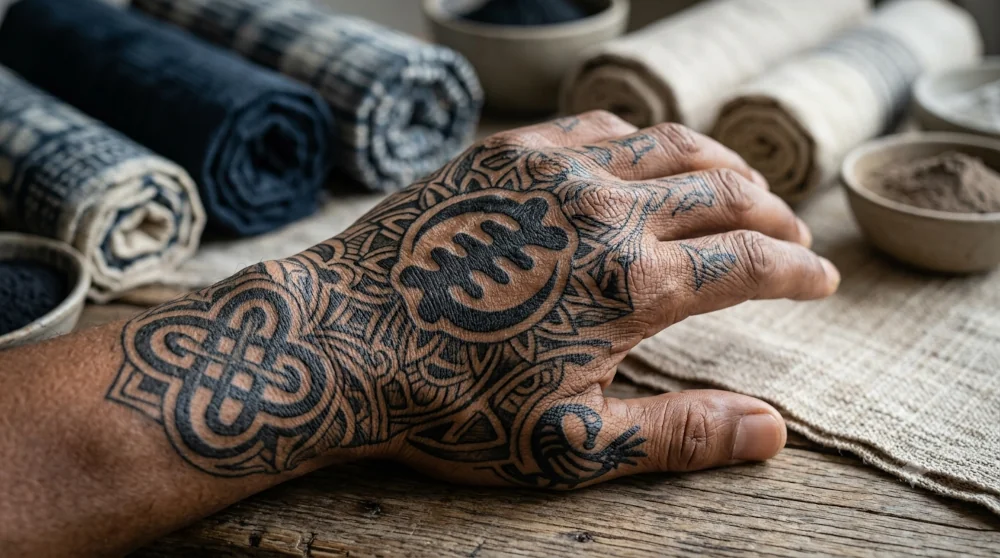
The Ashanti people historically developed a comprehensive visual alphabet of symbols representing core values, ancestral wisdom, and distinct aspects of society. Traditionally, these motifs are utilized according to established cultural guidelines to stamp decorative fabrics and royal garments.
Beyond the individual patterns themselves, specific clothing background colors carry deep social meaning. Because these symbols are bold, graphic, and visually elegant, they are extraordinarily well-suited for modern tribal body art. They deliver clean lines that carry profound, universal human concepts.
While Adinkra tattoos are commonly selected to highlight positive personal character attributes, they frequently represent significant personal changes, resilience, or a response to external life events. Explore the core collection below to find the traditional layout that fits your story.
2. Adinkra symbol dictionary: Meanings & tattoo templates
Below is the foundational meaning behind each emblem. You can find more by searching for "adinkra" across our design gallery.
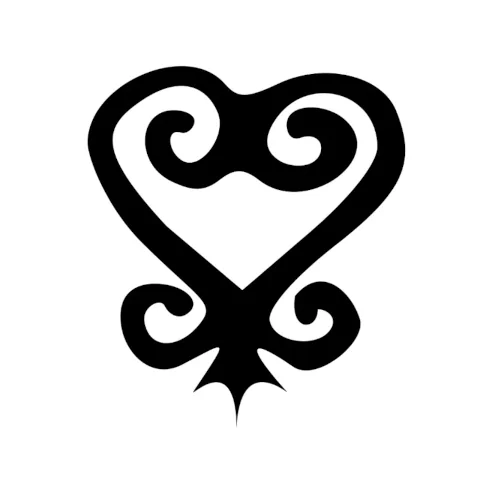
Meaning: Go back and fetch it (learning wisdom from the past).

Meaning: The eagle's talons (representing bravery and strength).

Meaning: Child of the stars (symbolizing guardianship and protection).
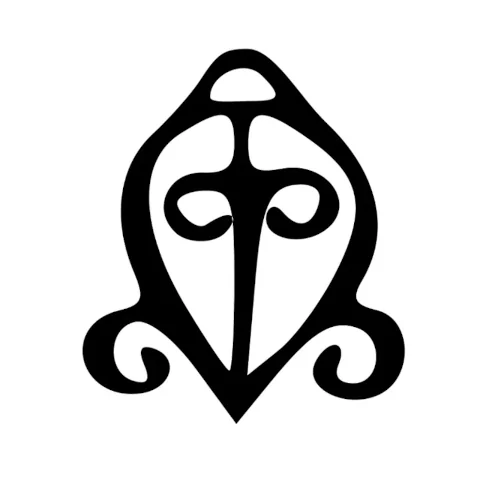
Meaning: Love never loses its way home (the power of true love).
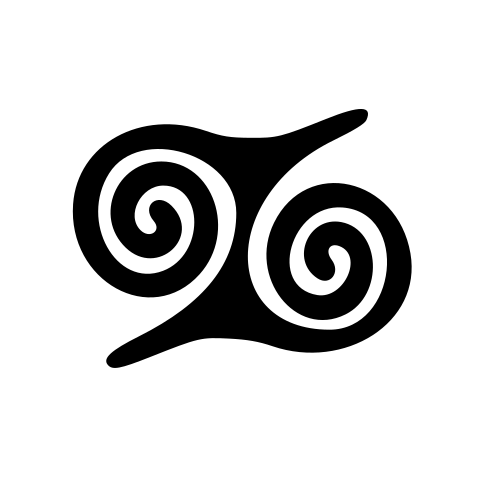
Meaning: the back of Gyawu's head (a famous hero, symbol of valiance and heroism).

Meaning: In the king's eye (representing vigilance and visibility).
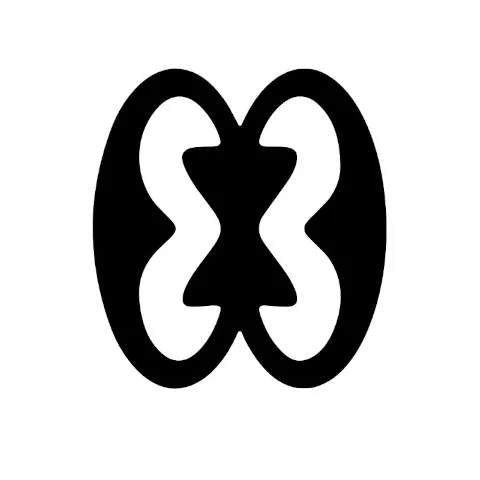
Meaning: Joined together in life and death (human relations and deep friendship).
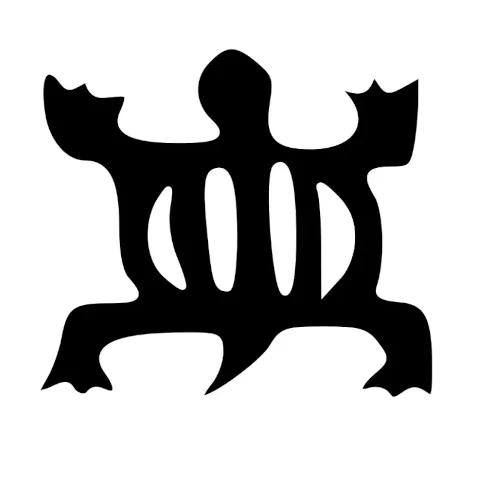
Meaning: Crocodile (a symbol of adaptability).
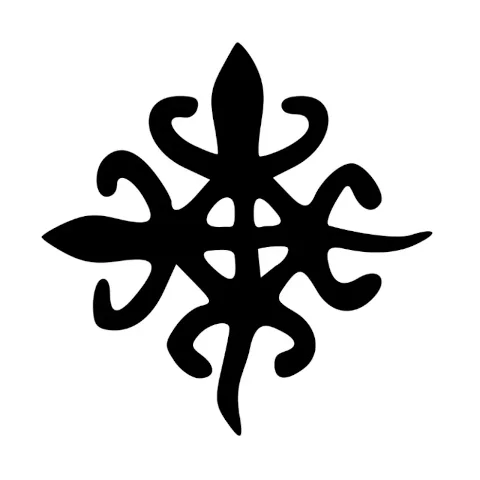
Meaning: Siamese crocodiles (a symbol of unity in diversity, democracy).
Article Discussion
No comments yet... be the first!