
Dia de los muertos
In this article:
1. Cultural origins: Celebrating life through death
In Christian countries, November 2nd is the dedicated day when people gather to remember their dead. In Latin America, this celebration has beautifully nested itself onto ancient pre-Columbian festivities, maintaining a massive, vibrant importance in everyday modern life.
Almost every culture across the globe features a traditional festival dedicated to ancestors and the deceased. Historically, these rituals were held at the end of the harvesting season—a symbolic period when the earth rests and naturally prepares for the winter cycle after the natural abundance of summer.
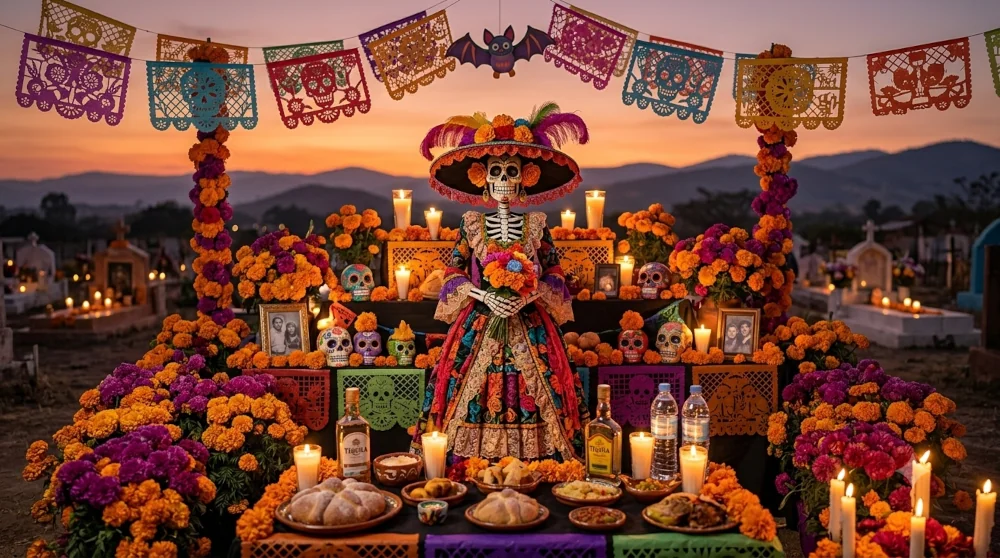
The core difference between ancient cultural rituals and modern Western customs resides in the atmosphere of the celebration. Especially across Mexico, the day dedicated to the dead is observed as a time of immense joy. Families proactively show their departed loved ones that they are deeply remembered and cherished by sharing happiness directly with them. Graves are adorned with beautiful offerings, including traditional food, preferred beverages, and thoughtful gifts.
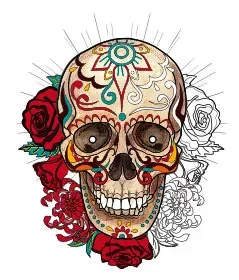
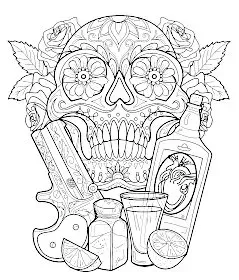
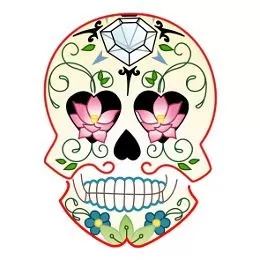
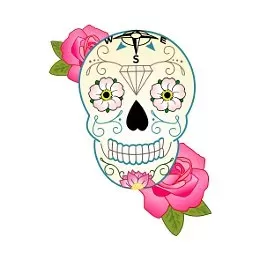
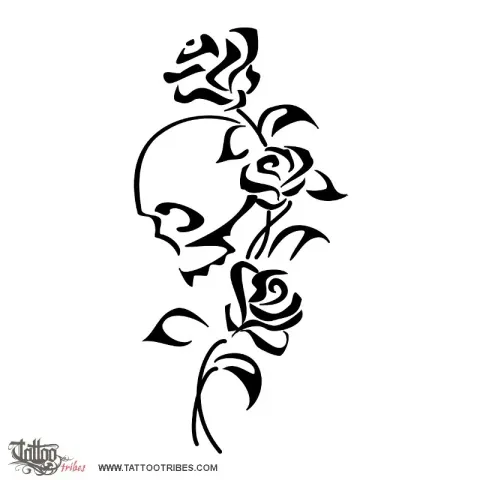
Ultimately, this festive period morphs into a profound celebration of life itself. Consequently, iconic Day of the Dead tattoo designs naturally marry symbols of life and death together, frequently showcasing striking skulls and fresh flowers rendered in colorful, highly playful artistic styles.
2. Autumn roots: From Celtic traditions to modern Halloween
Similarly, Halloween has its historical roots firmly planted in ancient, pre-existing Celtic festivals. It marks a mystical threshold in the year when spirits were believed to freely roam the earth while nature prepared for its long winter sleep.
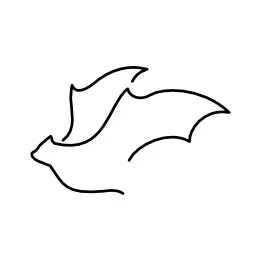
Modern Halloween celebrations have populated this seasonal transition with playful imagery of goblins, skeletons, ghosts, and mythical monsters. Among these, nocturnal animals like bats hold a special place in seasonal tattoo art.
3. Iconic symbols: Skulls and Catrinas
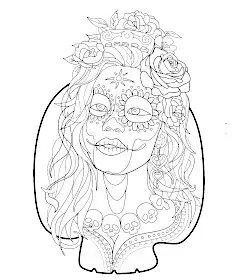
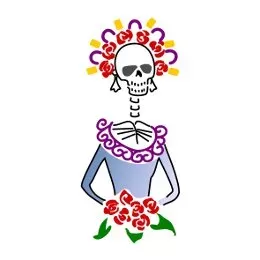
One of the most instantly recognizable symbols of this celebration is the Calaca, also widely known as La Catrina or the Calavera Garbancera. This elegant figure surged in global pop-culture popularity partly due to its prominent aesthetic presence in stylized cinema, such as Tim Burton's animated films. Stylized as a skeleton elegantly dressed up in historic female attire or bridal gowns, it remains a timeless favorite for both vibrant tattoo body art and classic Halloween costumes.
Below, you will find a selection of classic sugar skulls and traditional designs.
Article Discussion
No comments yet... be the first!