The never-aging mark
In this article:
- 1. Sacred geography: The body as an ancestral canvas
- 2. Origins: From ancient glaciers to global empires
- 3. Purpose: Fertility, protection, and identity
- 4. Techniques: The painful evolution of body chisels
- 5. A permanent gift: Celebrating individual transformations
- 6. Symbol dictionary: A reference guide to tribal iconography
1. Sacred geography: The body as an ancestral canvas
If the skin of the average human body was laid flat as a map, a sheet of parchment, it would spread over twenty square feet. The human form, whether isolated in the forests of the Amazon, swept clean by the bitter winds of the Arctic, or soothed by sunset rains of Polynesia, became through the brilliance of inspired artistry a map of culture and myth, a sacred geography of the soul. All of this is beautifully expressed by the simplicity of forms painted, carved, incised, or etched upon the canvas of the body.
— from "Ancient Marks: The Sacred Origins of Tattoos and Body Marking" by Chris Rainier
2. Origins: From ancient glaciers to global empires
Despite the specific word "tattoo" being a relatively recent addition to the Western lexicon, tattoos themselves have a remarkably rich and ancient timeline. Nomadic hunters boasting fully tattooed bodies appear frequently on rock paintings dating back to the Upper Paleolithic era. Furthermore, a perfectly preserved mummy featuring sixty-one distinct tattoos across his body, dating back more than 5,000 years, was famously discovered frozen beneath an Alpine glacier on the Italian border.
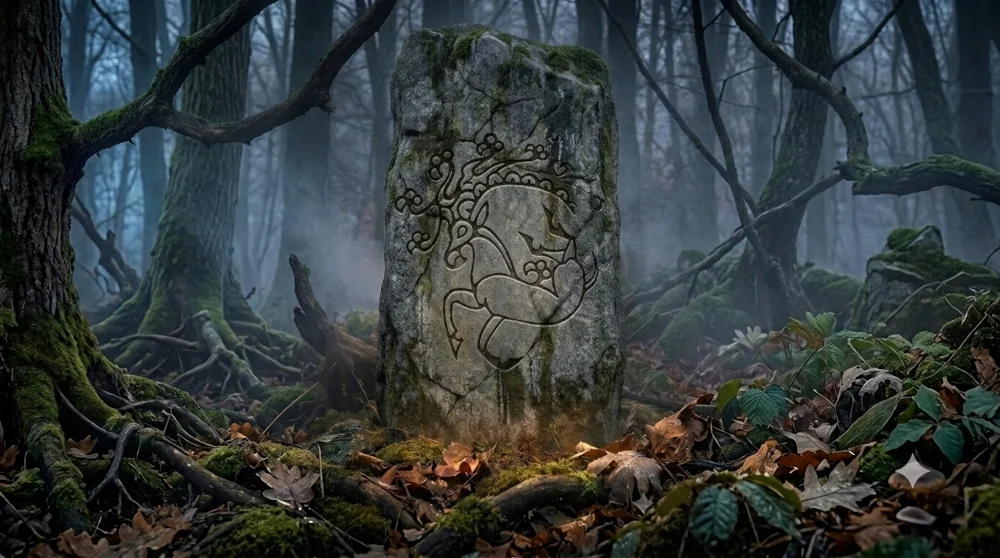
We possess definitive cross-cultural proof of tattooing habits spanning nearly every historical global empire, including the ancient Egyptians, Aztecs, Celts, and Scythians. All of these communities practiced the art of skin punctuation, universally viewing it as an intensely magical and religious custom.
3. Purpose: Fertility, protection, and identity
Historically, permanent markings were utilized as core components within tribal fertility rites, serving as a metaphysical defense shield against malevolent spirits and a spiritual armor to protect newborns. For example, some traditional Arabian families still paint protective henna configurations on pregnant women to invite good fortune. The marked symbol allowed direct communication lines between the mortal physical shell and the ethereal plan.
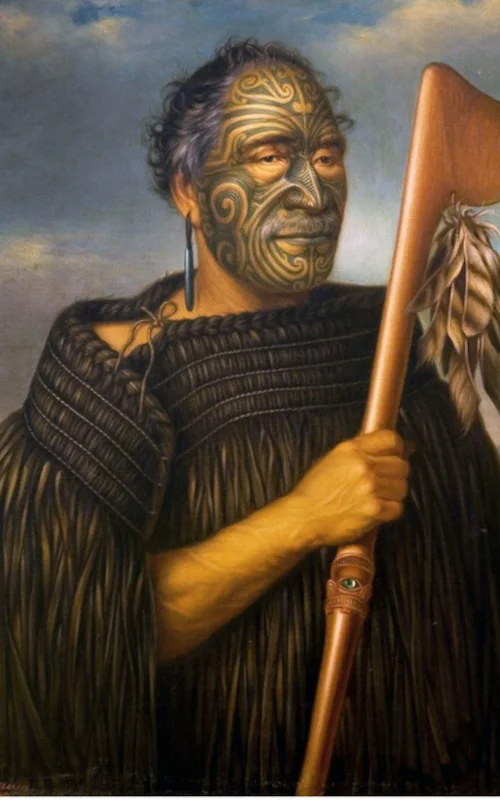
During sacred initiations, receiving an ink marking meant proving one's readiness to cross into adulthood by stoically enduring physical pain. These designs mapped out the major achievements of their bearers, standing as a living witness to their raw courage, inner strength, and lineage bonds within a specific family or tribal community.
4. Techniques: The painful evolution of body chisels
In the past, receiving your marks demanded immense psychological endurance. Traditional tattoos were hammered deep into the flesh by striking a sharp bone or shell chisel with a small wooden mallet—a rhythmic cracking sound that gave birth to the traditional Polynesian word Tatau, which translates directly to "beating".
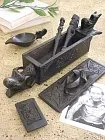
These slow, meticulous procedures could require days to achieve a full layout. This intense timeline explains why massive community feasts were prepared to welcome back the young adults who successfully completed the grueling trial. Today, modern electric tattooing instruments have evolved to replace this long trial with a simple, warm, and pulsing physical sensation.
While body modifications were heavily restricted or viewed with suspicion by Western religious authorities over the last few centuries, early global explorers—beginning with the voyages of Captain James Cook—brought back admiring journals detailing these practices, directly spark-igniting the modern global tattoo movement.
5. A permanent gift: Celebrating individual transformations
In our modern, fast-paced routines where time is always short, pausing our lives long enough to get tattooed feels almost like a dream—a deeply meaningful personal gift we offer to ourselves. For this exact reason, choosing a custom layout that naturally matches your inner self is incredibly vital, ensuring it remains an organic part of your identity day after day.
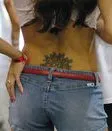
Traditional markings act as a visual identity card that anyone can instantly read. Similarly, modern tattoos speak volumes about our inner essence, making it important to choose a symbol that feels genuinely yours forever. Ultimately, tattoos celebrate a profound transformation of the human spirit. A layout that honors your personality or marks a key turning point will elevate your strengths, guiding your spirit as you grow alongside it.
6. Symbol dictionary: A reference guide to tribal iconography
Different cultures assign unique virtues and magical attributes to various animals and geographic emblems. Explore our categorized reference guide below to find the specific conceptual foundation for your next custom layout:
Ocean & Marine Iconography
- Shark: Represents adaptability and absolute survival resistance.
- Hammerhead Shark: Symbolizes mental determination, authority, and inner power.
- Turtle: Functions as a guide, protector, and family navigator in Polynesia, while representing longevity across Asia.
- Whale: Dedicates itself to ocean protection and deep family values.
- Dolphin: Represents spiritual harmony, deep friendship, and traveler protection.
- Manta Ray: Channels grace, elegant movement, wisdom, and absolute freedom.
- Seashell: Represents romantic love, emotional intimacy, and safe protection.
- Waves & Water: Symbolizes fluid continuity through constant change, life, and purification.
Spiritual Guardians & Power Emblems
- Tiki & Kokopelli: Traditional icons representing ancestral protection and human fertility.
- Te Manaia: Represents the harmonic balance between sky, earth, and water, acting as a personal guardian spirit.
- Hamsa / Hand of Fatima: A powerful ancient talisman used for shielding the bearer from evil forces.
- Axe / Labrys: Symbolizes the raw spirit of a warrior, physical combat, and fighting for ideals.
- Lion: The classic universal hallmark of courage, leadership, and royalty.
Growth, Elements, & Eternal Bonds
- Koru (Unfolding Fern Frond): Represents rapid regrowth, fresh beginnings, and personal renewal.
- Twist: Represents an unbreakable connection, shared paths, and eternal love.
- Triskell: Represents eternity, ancestral unity, and the cycle of life, death, and rebirth.
- Sun: Radiates eternal life, creative energy, and pure joy.
- Moon: Represents sacred femininity, intuition, and fertility cycles.
- Fire: Represents intense elemental change, passion, and rapid transformation.
- Circle / Disc: Represents the continuous circle of life, cosmic unity, and our origins.
- Rose: Represents absolute perfection, pure devotion, and romantic love.
- Lotus Flower: Represents spiritual perfection, purity, and overcoming adversity by rising above the mud.
Freedom, Transformation, & Regional Wildlife
- Butterfly: Represents the human soul, vulnerability, and major life transformations.
- Dragonfly: Symbolizes esoteric magic, spiritual change, and illusions.
- Phoenix: The ultimate symbol of immortality, rebirth, and rising from the ashes.
- Swallow: Represents coastal freedom, incoming good news, and home safe protection.
- Birds (General): Symbolizes spiritual freedom, transcendence, and direct communication to the gods.
- Owl: Represents hidden knowledge, absolute wisdom, and moon magic.
- Wolf: Represents fierce loyalty, deep pack community, and family guardianship.
- Cat: Represents quick changes, mystery, and easy adaptability.
- Lizard: A powerful ancient icon bringing good luck, fresh life, and regeneration.
- Puhoro: A highly stylized structural symbol representing speed, momentum, and agility.
- Borneo Rose & Scorpion: Traditional hallmarks of immense valiance, tribal protection, and warrior courage.
Article Discussion
No comments yet... be the first!