
Traditional Mehndi meanings
In this article:
1. Mehndi traditions: The ancient cosmetic art of henna
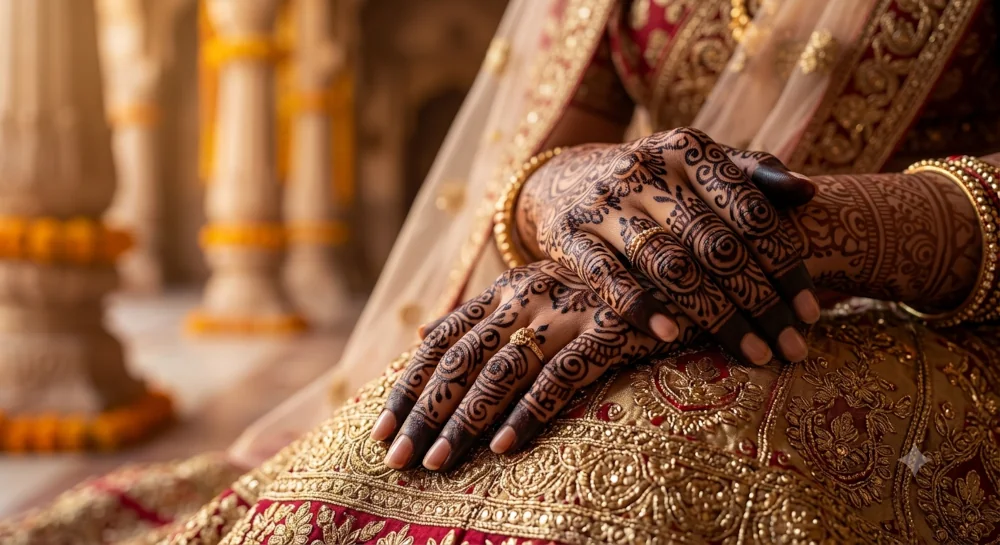
Henna has always been deeply popular across Arabian and Indian cultures, serving as both a striking body embellishment and a method for wishing well on important life milestones. Whereas permanent tribal tattoos have historically carried intense, alternative cultural connotations—often requiring physical strength and immense courage to endure—temporary henna body art is completely painless.
Because the process simply involves drawing on the surface of the skin using natural herbal juice that naturally vanishes in a few weeks, its application remains purely celebratory and cosmetic. Many complex, breathtaking patterns exist that are passed down through generations, representing specific communities, milestones, or social classes. While some motifs are exclusively holiday-related, all complex designs are fundamentally constructed from a core set of traditional basic symbols.
2. Symbols of growth: The Bud and the Zigzag
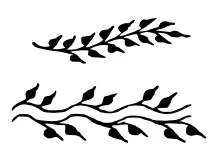
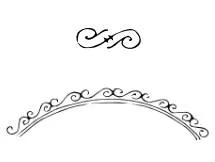
The Bud: In traditional iconography, leaves and fresh buds sprout rapidly at the long-awaited end of a severe drought. Consequently, this delicate motif represents new life, fertility, and pure joy. Explore how individual buds are integrated into larger flowing layouts below:

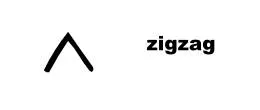
The Zigzag: Across traditional Indian design systems, this sharp, geometric line is the universal symbol for rain. Because rainfall directly sustains agricultural life, it naturally represents fertility, growth, and incoming abundance. See its structural design applications here:
3. Symbols of life: The Game, the Scorpion, and Ripples
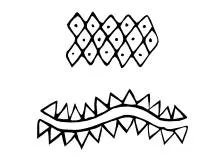
The Game: This highly unique and ancient geometric grid pattern appears frequently across historical Indian artistic traditions. It is used to represent playful energy, shared happiness, and celebrating joyful everyday moments. Here is how it translates onto the skin:

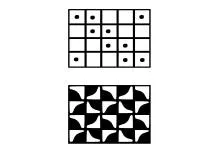
The Scorpion: While it might seem surprising at first glance, the scorpion is widely used in regional folklore to symbolize intense romantic love. In traditional Indian storytelling, a unexpected scorpion sting and falling deeply in love share remarkably similar physiological symptoms: glittering eyes, shortness of breath, a sudden fever, and sharp emotional pain when rejected. Observe its stylized artistic variations:

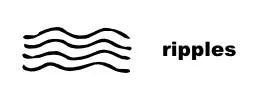
Ripples: These concentric concentric arcs and wavy lines represent fluidly running water. In both historical rituals and cosmetic art, flowing water carries a powerful meaning: it physically purifies surroundings, washes away negativity, and continually brings fresh life to the community.
Article Discussion
No comments yet... be the first!